


Khoji Routes — Northeast India
Sikkim
The Hidden Kingdom — Himalayan passes, sacred monasteries, and valleys of flowers
01 — The Capital
Gangtok
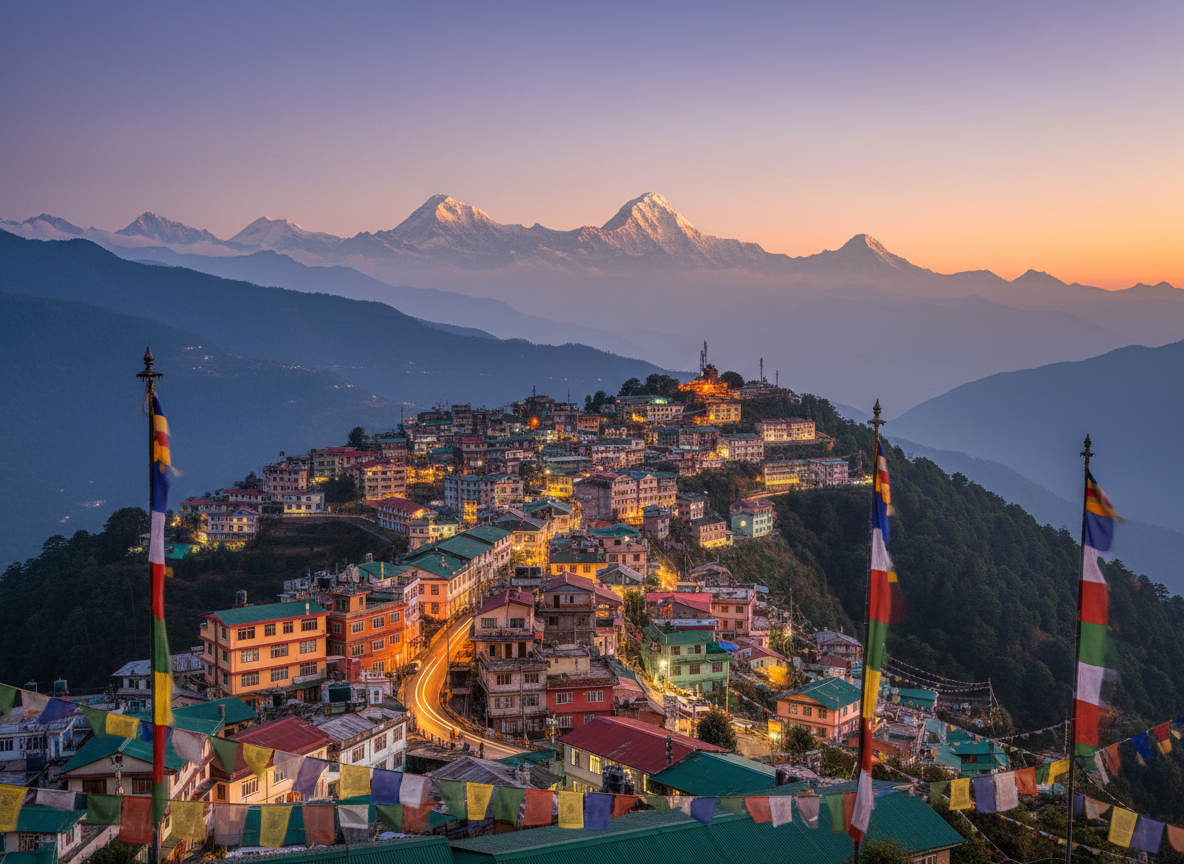
The capital of Sikkim sits on a ridge at 5,500 feet, draped in rhododendrons and prayer flags. The MG Marg promenade buzzes with life — monasteries, viewpoints, and the famed Nathu La road begin here. A city that balances modernity with monastic calm.
Best time to visit: March to May, October to December | Don’t miss: Sunrise view of Kangchenjunga from Tashi Viewpoint
02 — The Sacred Lake
Tsomgo Lake
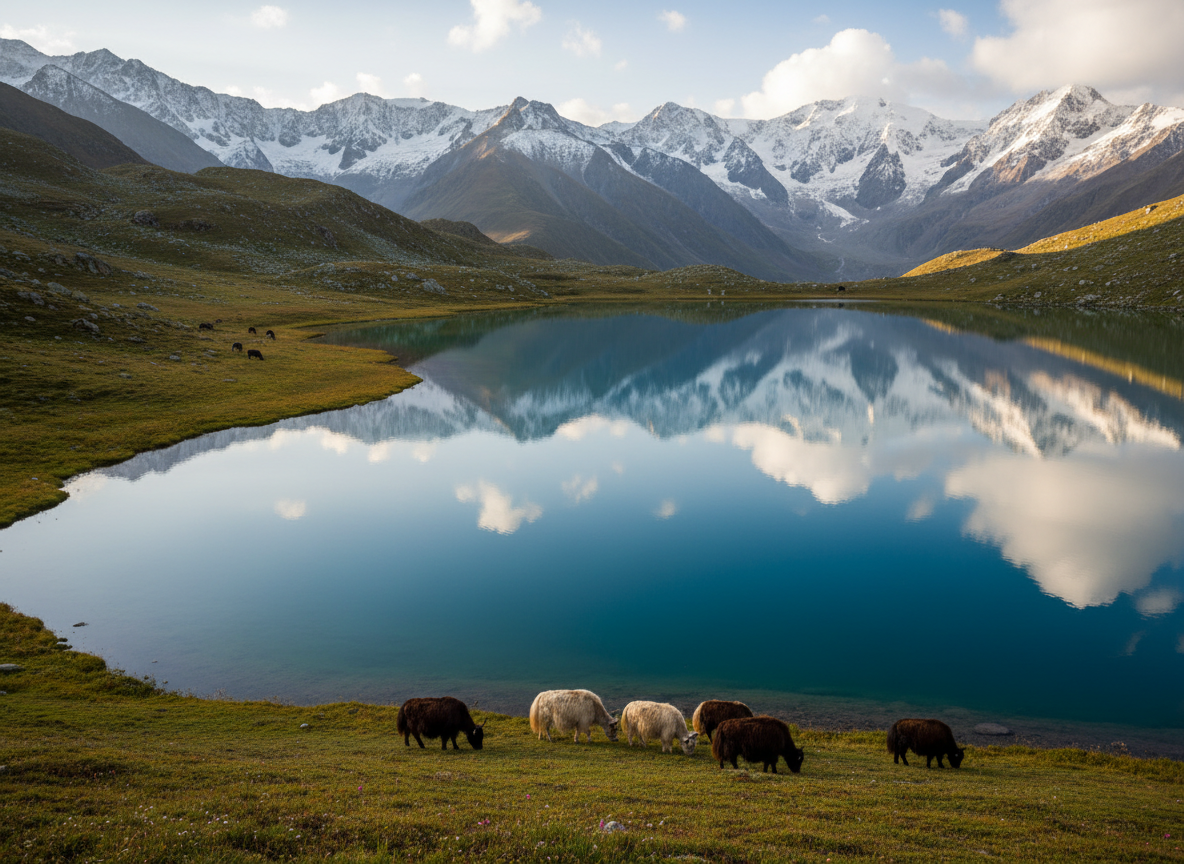
At 12,400 feet on the road to Nathula Pass, Tsomgo is a glacial lake considered sacred by the Sikkimese people. It shimmers in shades of jade and cobalt, surrounded by alpine meadows and snow-dusted peaks. Yaks graze on its banks, and the silence here is absolute.
Best time to visit: March to May (rhododendrons), October to December (snow) | Don’t miss: Frozen lake in winter, yak ride around the shore
03 — The Himalayan Gateway
Nathula Pass
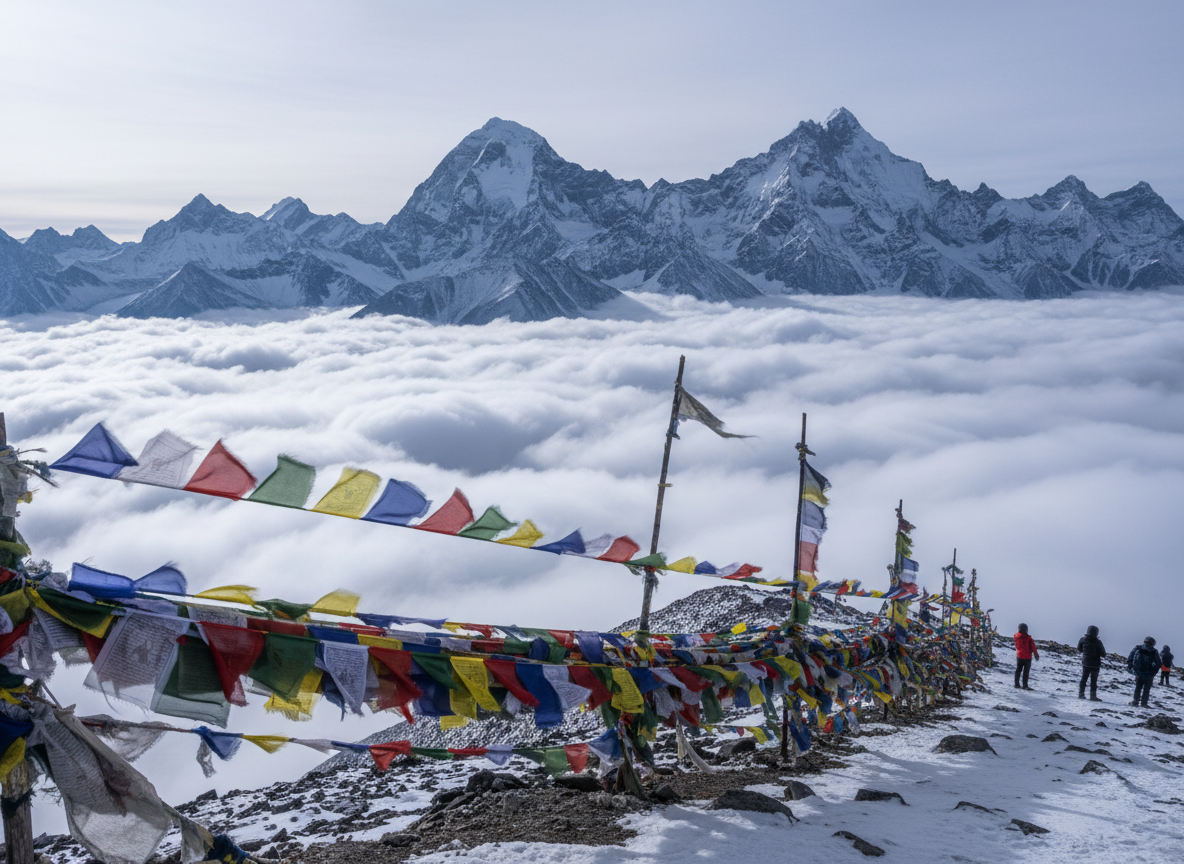
At 14,140 feet, Nathula is one of the highest motorable passes in the world — a point where India meets Tibet. The wind at the top cuts through everything; flags snap and clouds swirl below. Standing here, the sheer scale of the Himalayas becomes undeniable.
Best time to visit: May to October (open season) | Don’t miss: The Indo-China border, Baba Harbhajan Singh Temple
04 — The Valley of Flowers
Yumthang Valley
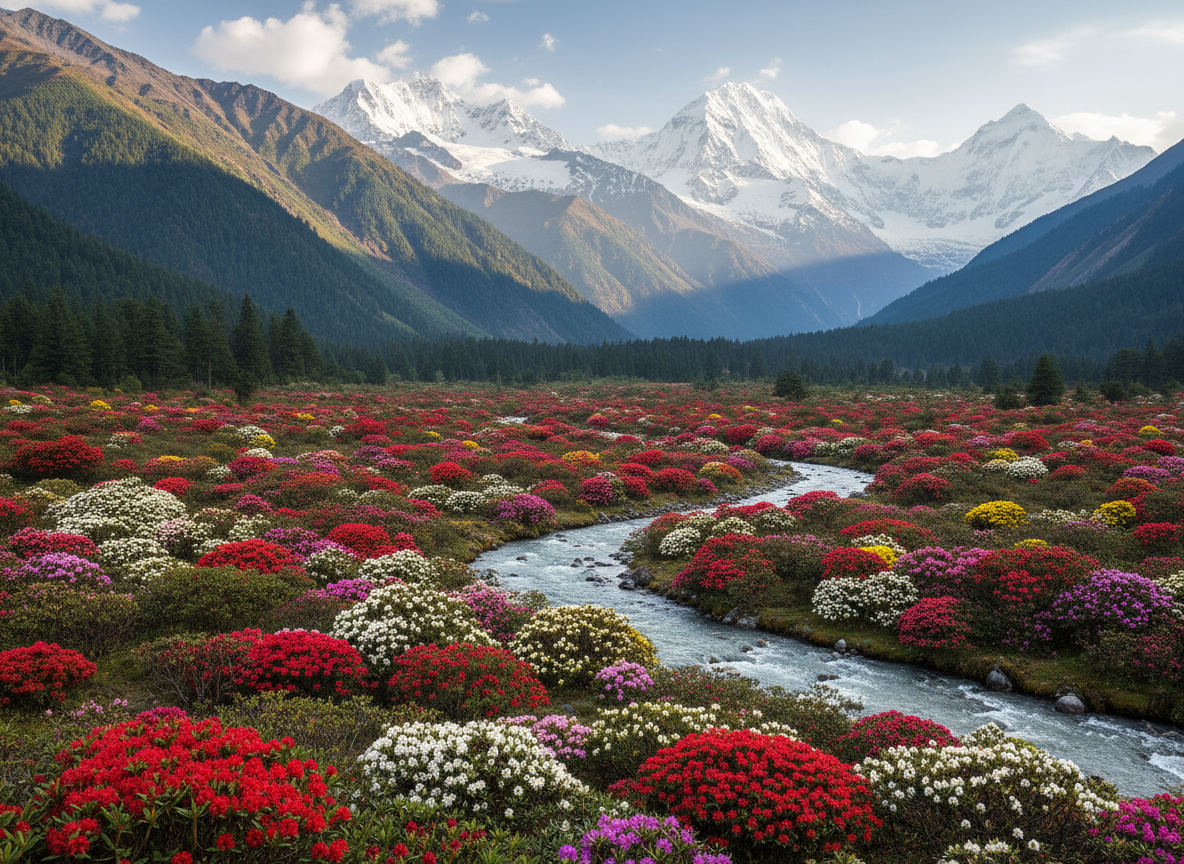
Called the Valley of Flowers of Sikkim, Yumthang bursts into a riot of rhododendrons every spring — over 24 species painting the valley floor. The Teesta River runs silver through the middle, and snow-capped peaks frame every view. At higher elevation, Zero Point offers a white, windswept silence.
Best time to visit: April to May (rhododendrons in bloom) | Don’t miss: Zero Point at 15,000 feet, hot springs at Yumthang
05 — The Western Jewel
Pelling
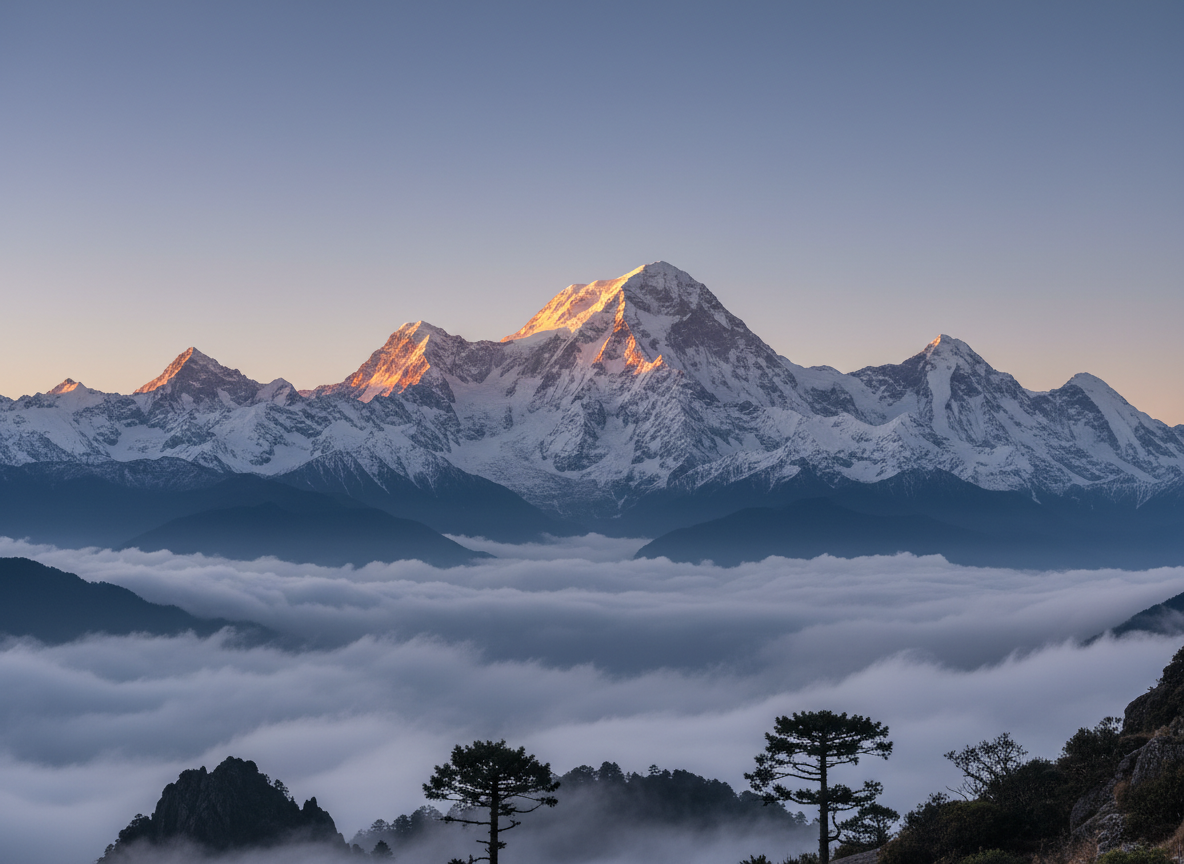
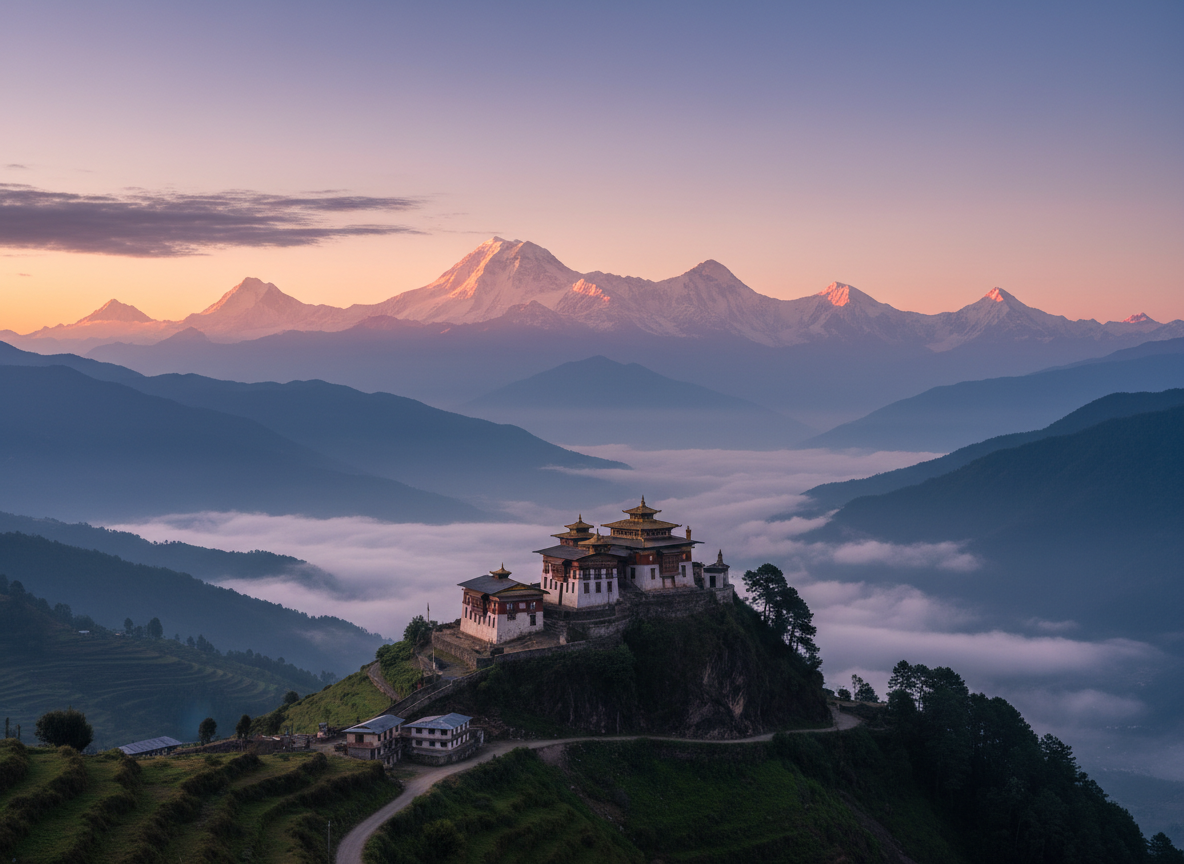
West Sikkim’s Pelling offers what many consider the most dramatic Kangchenjunga views in the state. The Pemayangtse Monastery, one of Sikkim’s oldest and most revered, crowns a hilltop nearby. At sunrise, the third-highest peak on earth glows pink against the sky — a sight that stops time.
Best time to visit: March to May, October to December | Don’t miss: Pemayangtse Monastery, Rabdentse Ruins, Khecheopalri Lake

