Northeast India
Manipur
Where mountains meet mirror lakes — a land of warriors, dancers, and untouched wilderness
01 — The Floating Lake
Loktak Lake
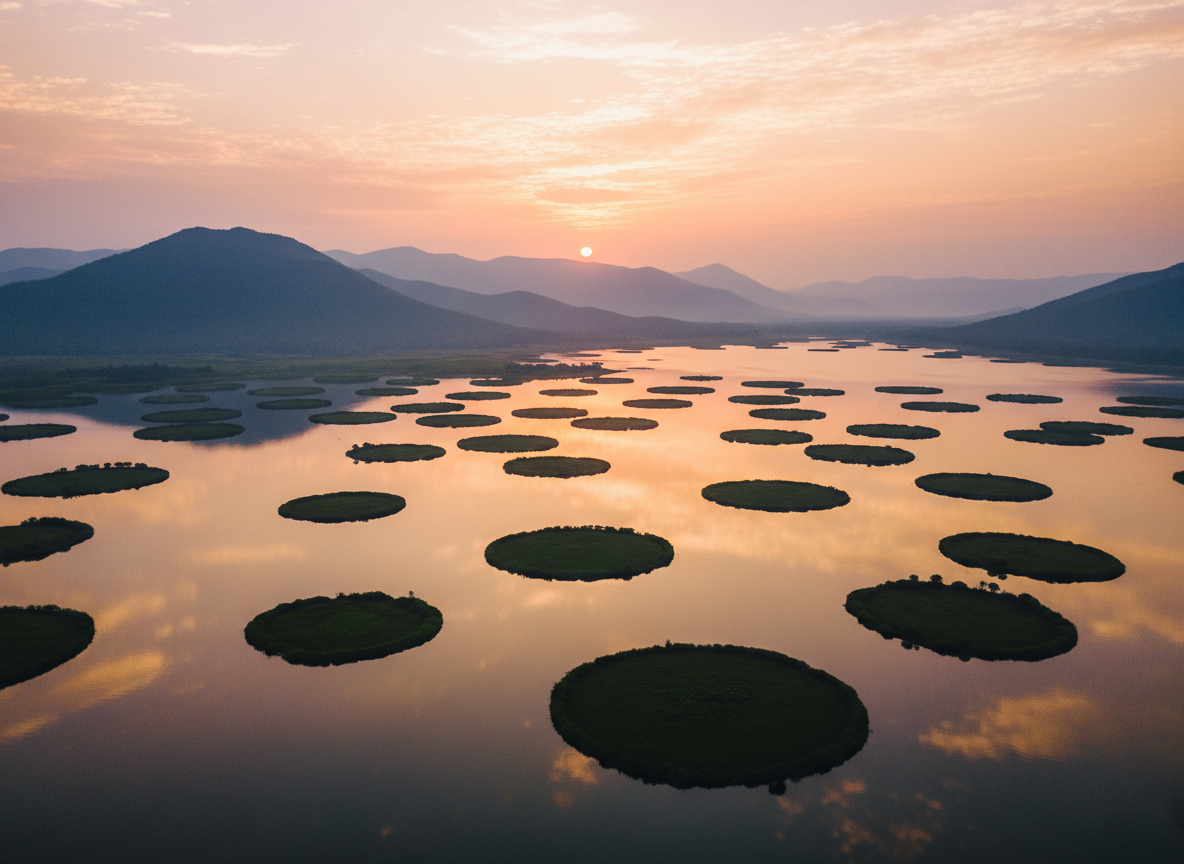
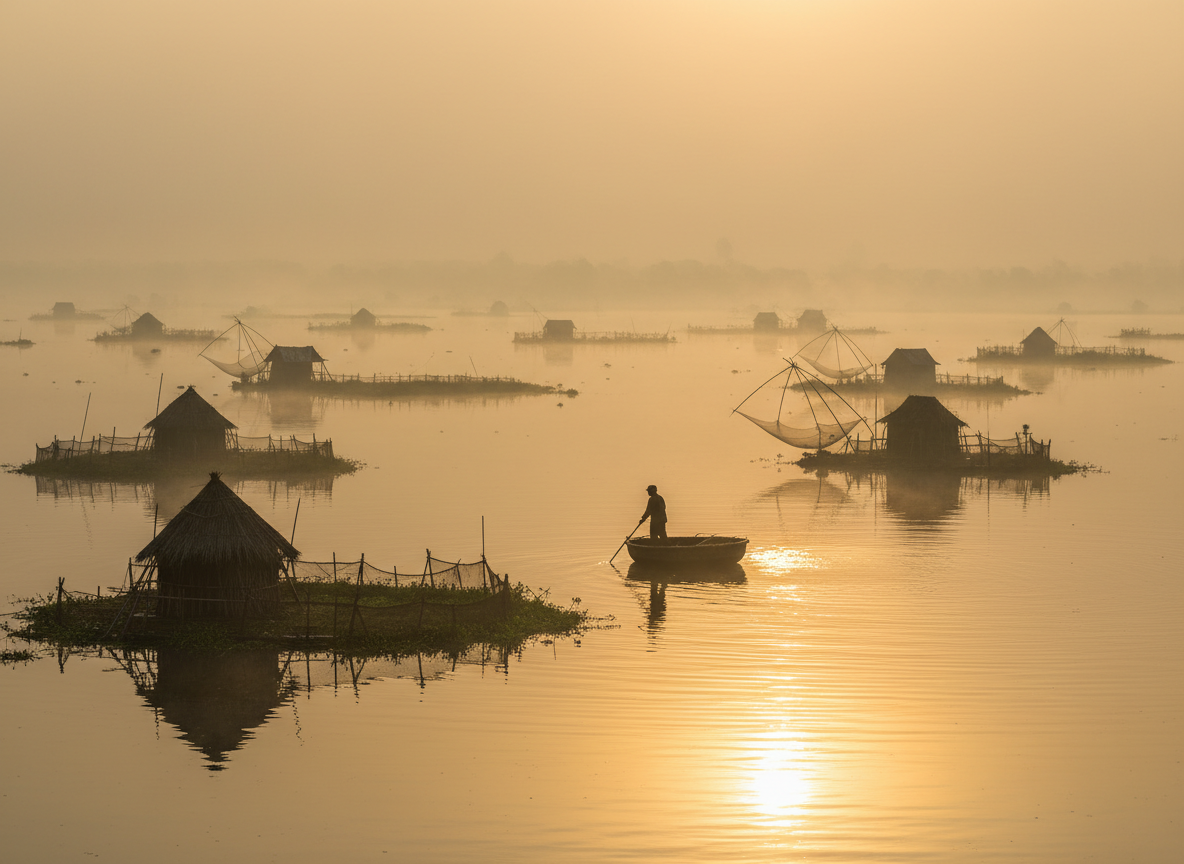
The world’s largest floating freshwater lake, Loktak is famous for its phumdis — mysterious floating islands of vegetation, soil, and organic matter. The Keibul Lamjao National Park sits atop the largest phumdi, the last natural habitat of the endangered brow-antlered deer, the Sangai. Sunrise over Loktak, with fishermen in their circular boats, is one of Northeast India’s most iconic sights.
Best time to visit: October to March | Don’t miss: Sunrise boat ride and Sangai spotting
02 — The Capital
Imphal
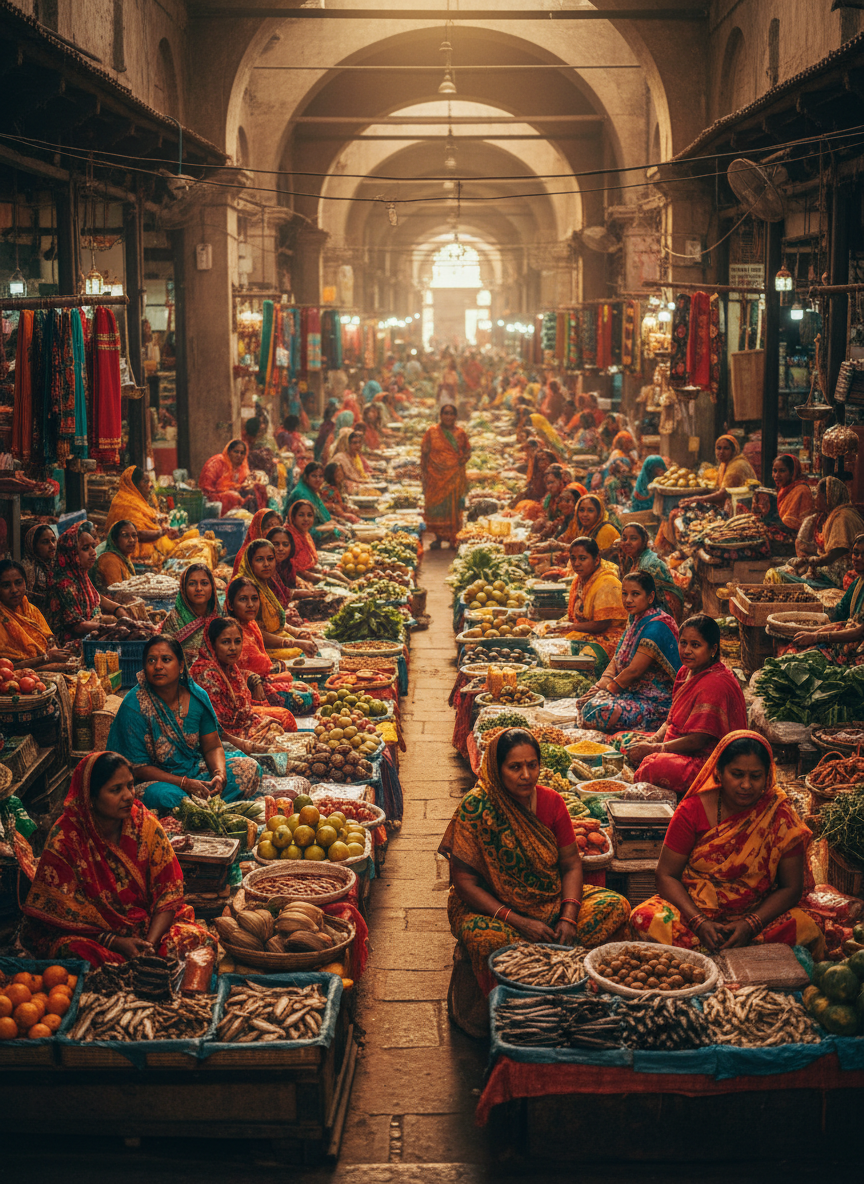
Manipur’s capital carries the weight of history with quiet dignity. The Kangla Fort, once the seat of the Meitei kingdom, stands as a spiritual and historical heart of the city. Ima Keithel — the Mothers’ Market — is one of Asia’s oldest all-women markets, where generations of Ema (mothers) have traded for centuries. The war cemeteries here are a solemn reminder of the pivotal WWII Battle of Imphal.
Best time to visit: October to April | Don’t miss: Ima Keithel and Kangla Fort at dusk
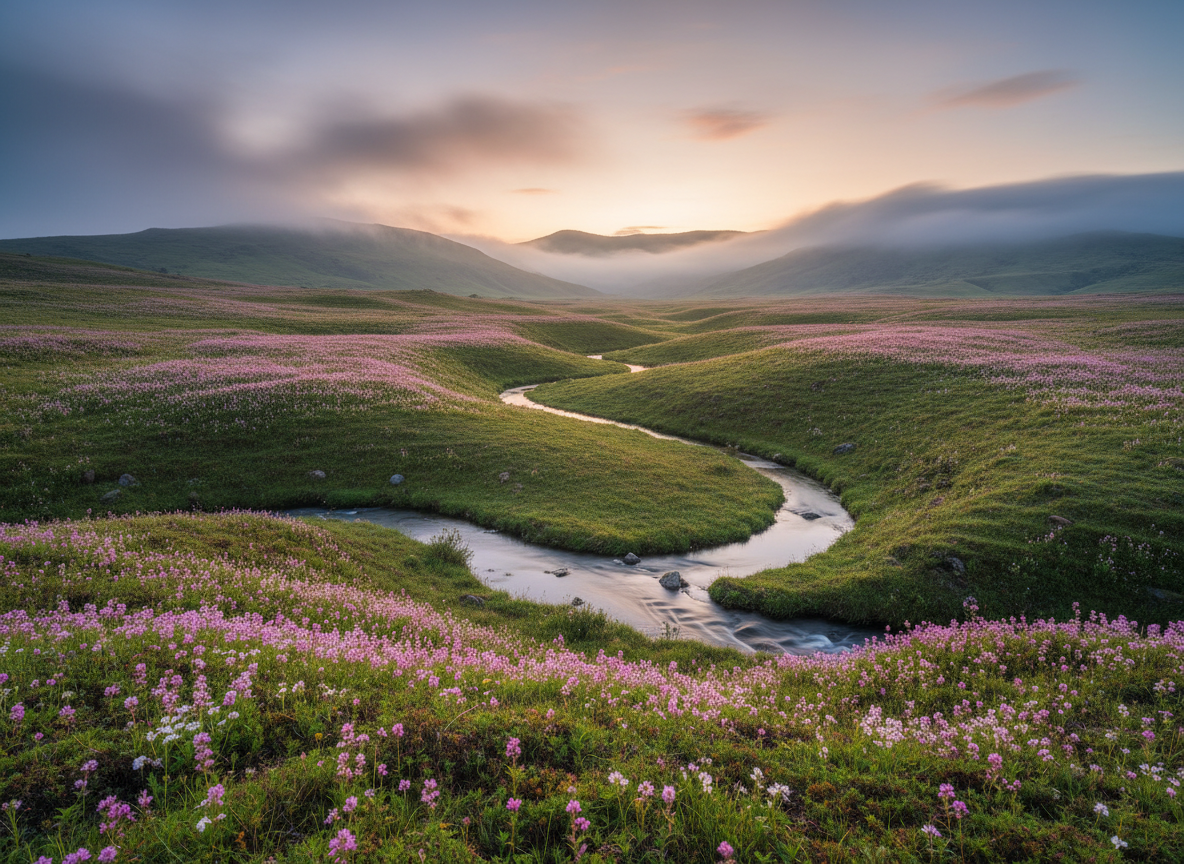
03 — The Valley of Flowers
Dzukou Valley
Straddling the border of Manipur and Nagaland, Dzukou Valley blooms into a sea of seasonal wildflowers every monsoon. The trek to the valley floor reveals a landscape so pristine it feels untouched by time — rolling meadows, clear streams, and silence broken only by birdsong. Overnight camping in the valley under a sky full of stars is an experience trekkers return to again and again.
Best time to visit: June to September (flowers) | Don’t miss: Overnight trek and sunrise from the ridgeline
04 — Culture
Living Heritage
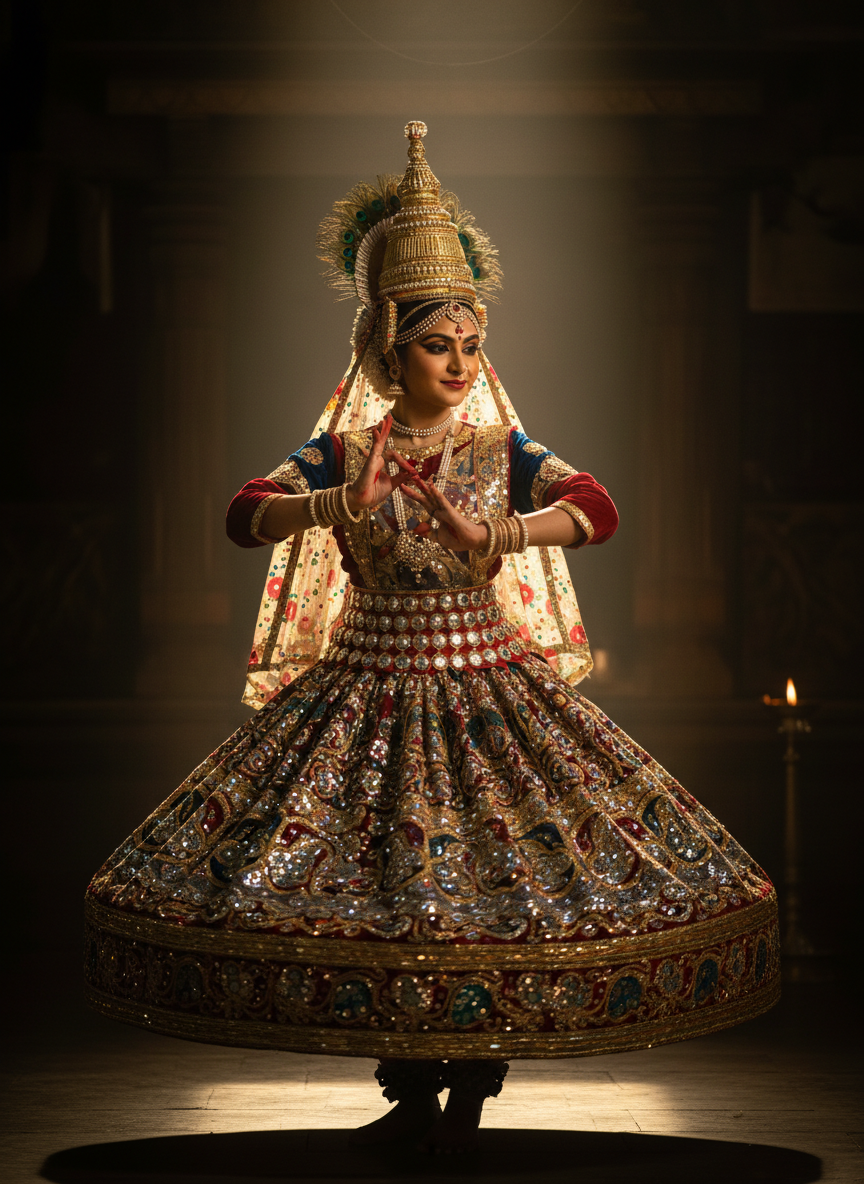
Manipur gave the world one of India’s eight classical dance forms — Manipuri, known for its fluid grace and spiritual depth. Rooted in Vaishnavite traditions, performances of Ras Lila are offered as devotion, not entertainment. The state’s rich weaving traditions, martial art Thang-Ta, and the polo grounds of Mapal Kangjeibung — said to be the world’s oldest polo ground — make Manipur a cradle of living culture.
Don’t miss: Ras Lila performance at Govindajee Temple | Explore: Mapal Kangjeibung polo grounds