


Northeast India
Nagaland
The Land of Festivals — ancient warrior tribes, mist-covered hills, and a culture that refuses to be forgotten
01 — The Capital
Kohima
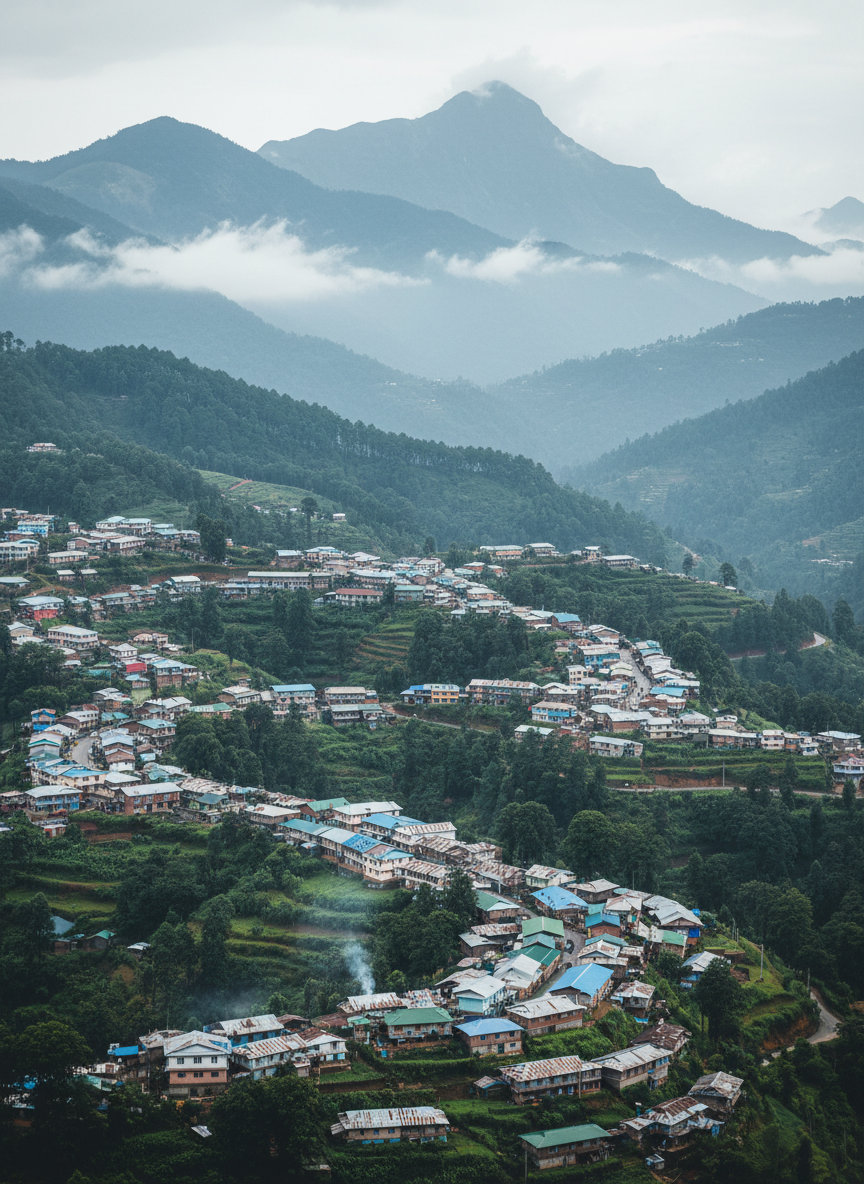
The capital of Nagaland sits dramatically across a series of ridges at 5,000 feet, a city shaped as much by the Second World War as by the Angami Naga culture that preceded it. The Battle of Kohima in 1944 — sometimes called the Stalingrad of the East — was among the most ferocious battles of the entire Pacific campaign, and the War Cemetery here is one of the most moving memorials in Asia. Beyond history, Kohima is a living Angami town: its traditional village Khonoma is nearby, the Nagaland State Museum traces the region’s extraordinary tribal diversity, and the weekly Saturday Market is a spectacle of colour, produce, and culture.
Best time to visit: October to May | Don’t miss: Kohima War Cemetery and the Angami tribal village of Jotsoma
02 — The Valley of Flowers
Dzukou Valley
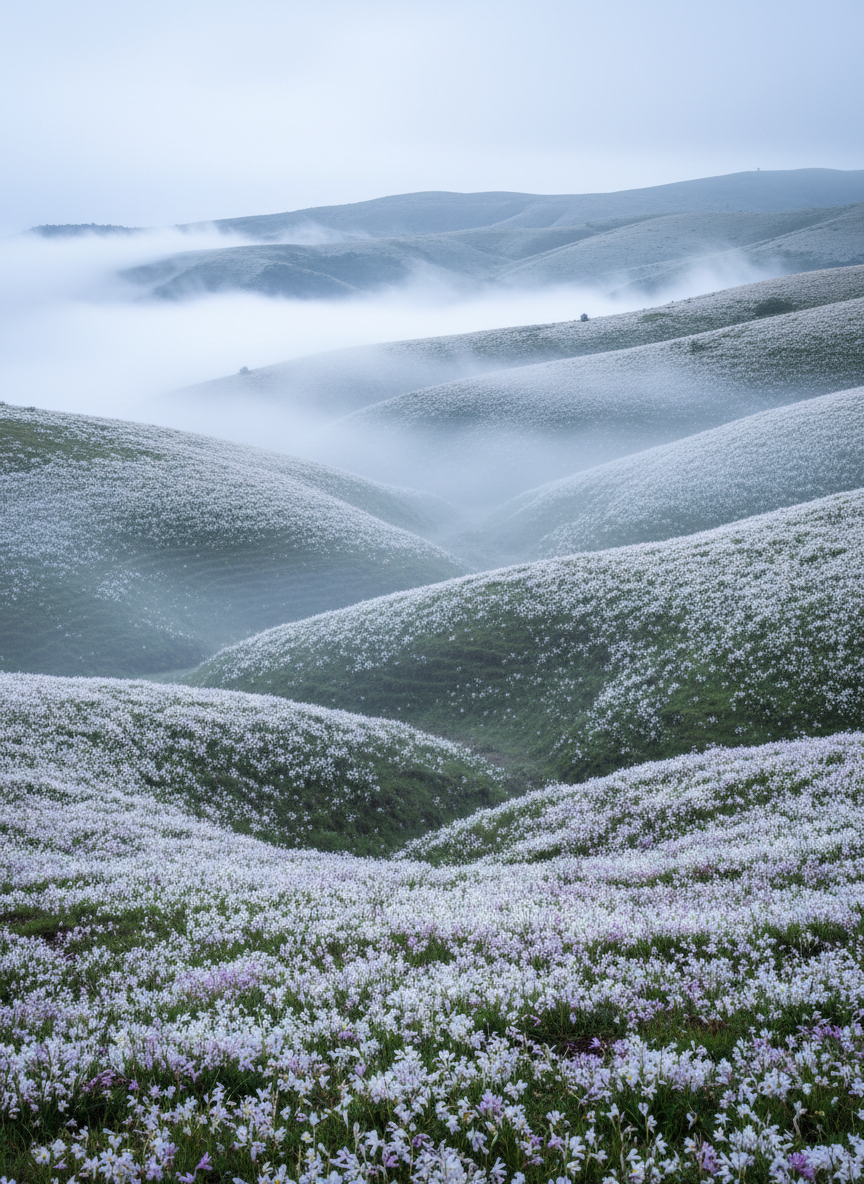
Straddling the border of Nagaland and Manipur, Dzukou Valley is one of northeast India’s most extraordinary landscapes — a high-altitude bowl of rolling meadows that erupts into colour each summer when its endemic Dzukou lily blooms in sweeping drifts of white and pale lavender. At 2,452 metres, the valley is cool even in summer and shrouded in mist for much of the year. The trek from Viswema or Zakhama gates is challenging but not technical, and those who camp overnight are rewarded with a silence and stillness rarely found anywhere in the subcontinent.
Best time to visit: June to September (lily season), December to February (snow) | Don’t miss: Overnight camping in the valley
03 — The Konyak Heartland
Mon
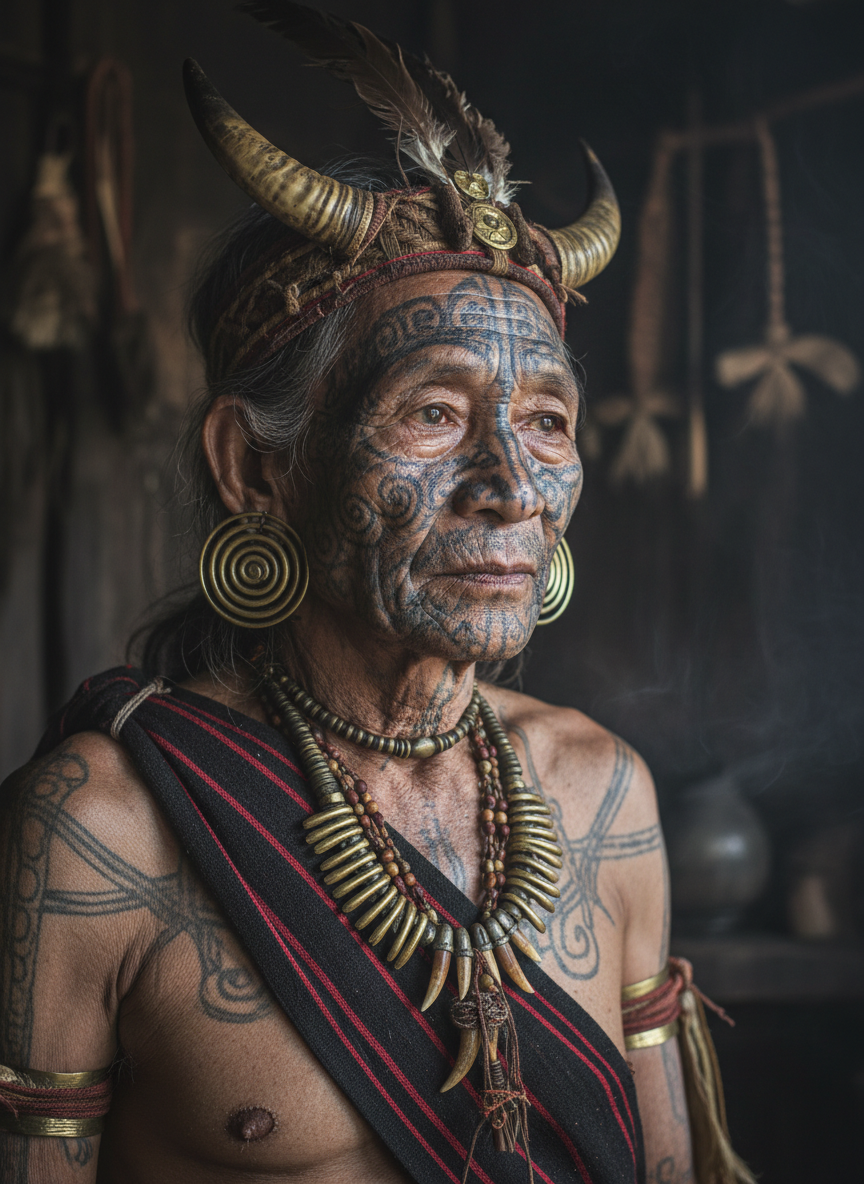
Mon is the heartland of the Konyak Naga — one of the last great headhunting tribes of the world, whose eldest members still carry the tattoos and brass chest ornaments marking their warrior history. The town itself is a modest gateway, but the surrounding villages — Longwa, Shangnyu, Wakching — are living museums of a culture that survived centuries of isolation by being genuinely formidable. The Angh (chief) of Longwa lives in a house that straddles the India-Myanmar border; his sitting room is in India, his bedroom in Myanmar. Mon is not for those seeking comfort — it is for those seeking something real.
Best time to visit: October to April | Don’t miss: Longwa village and the tattooed Konyak elders
04 — The Green Village
Khonoma
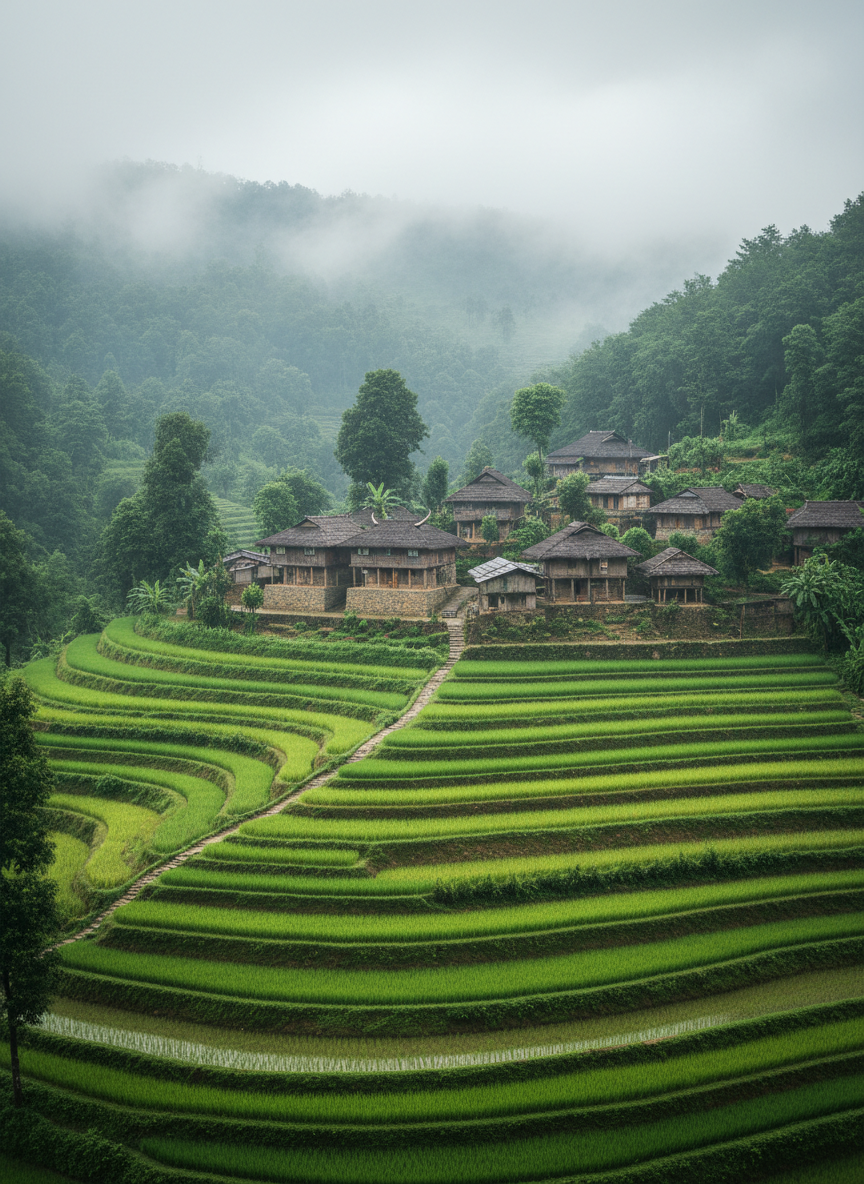
Khonoma is a village that chose a different future. Once celebrated as the last stronghold of Naga resistance against British colonial forces in the 19th century, Khonoma today is India’s first green village — a community-declared conservation zone where hunting is banned, forests are protected, and the Amur falcon, one of the world’s greatest migratory raptors, finds safe passage each October. The village’s terraced fields, traditional Angami architecture, and community-run conservation model have made it a quiet benchmark for how indigenous communities can lead environmental stewardship on their own terms.
Best time to visit: October to April | Don’t miss: Terraced fields and Amur falcon migration season
05 — The Festival
Hornbill Festival
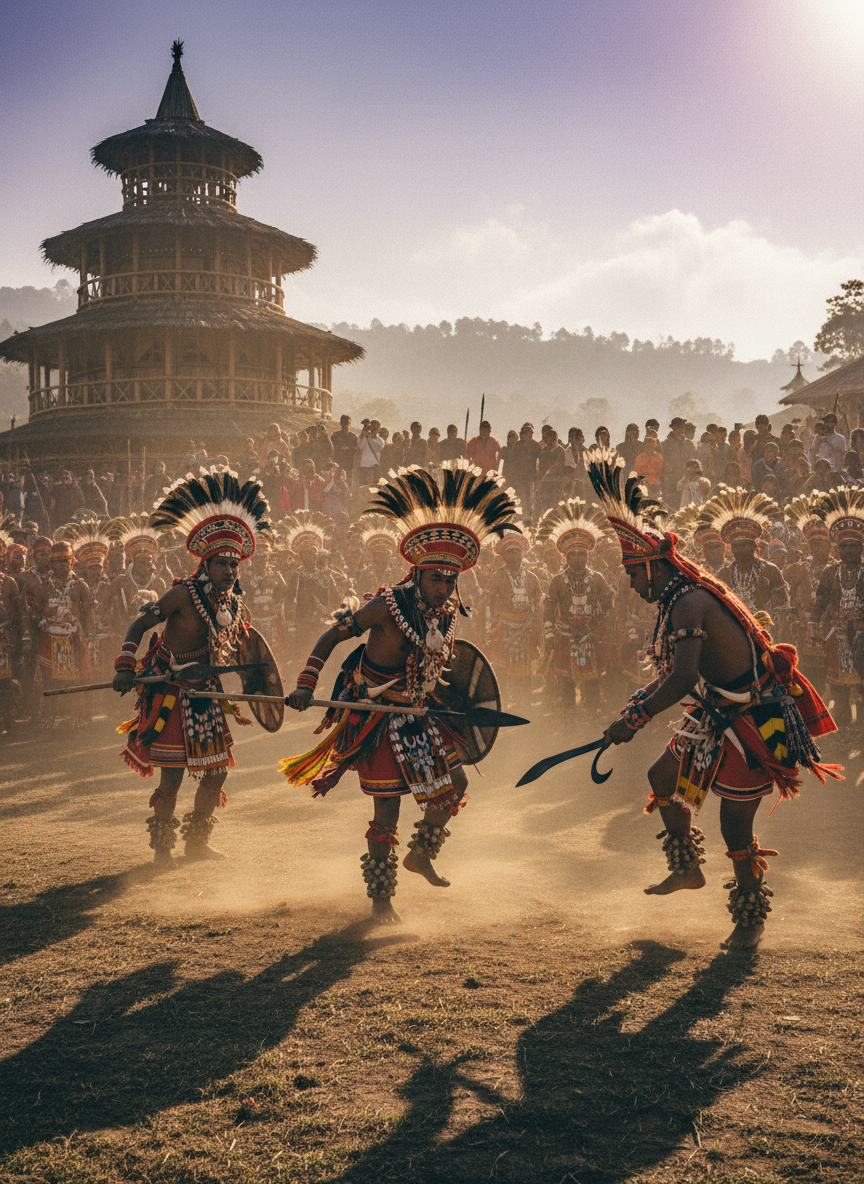
Held every December in the Kisama Heritage Village just outside Kohima, the Hornbill Festival is Nagaland’s most spectacular cultural gathering — ten days during which all sixteen of Nagaland’s major tribes come together to perform, compete, and celebrate. Traditional dances, warrior demonstrations, indigenous games, local food, and handicraft markets fill the village grounds. Named after the great hornbill — a bird revered across Naga cultures — the festival is one of India’s most genuine cultural celebrations, born from within rather than designed for tourists.
Best time to visit: First week of December | Don’t miss: Opening ceremony and inter-tribal dance performances

